Have you ever stopped to consider if the perceived stability in the container shipping market is just a delicate illusion, a house of cards waiting for a gentle breeze?
Because that’s precisely the undercurrent buzzing beneath the surface this week. The Strait of Hormuz remains a geopolitical pressure cooker, oil prices are doing their usual tightrope walk, and yet, whispers are growing louder about carriers doubling down on Red Sea transits. CMA CGM is reportedly leading the charge, but will others follow? And more importantly, what does that signal for freight rates? It’s like watching a slow-motion replay of a past crisis, wondering if we’ve learned anything at all.
Peter Sand from Xeneta joins the fray to dissect the ocean freight scene, offering insights into the risks of reigniting a rate war and what schedule reliability actually means in practice. We’re talking about a market that looks strong, but much of this current strength, as the intel suggests, is borrowed. Borrowed from what? From a fragile geopolitical balance, from the disruption itself.
Is Air Cargo Flying Blind?
And then there’s air cargo. Alex Lennane from The Loadstar paints a picture of a sector still very much in the trenches. Capacity is inching back, yes, but don’t uncork the champagne just yet. Jet fuel. It’s the constant, relentless bottleneck. High prices and persistent shortages are keeping rates sky-high and operations decidedly “tight.” Imagine trying to run a marathon with a band tied around your chest – that’s air cargo right now.
We’re also seeing flight cuts in Chicago, Kuehne + Nagel dropping their latest earnings report (always a fascinating read for the numbers nerds among us), and a deep dive into Cathay Cargo’s predicament. It’s a “cruel paradox,” they say, facing headwinds amidst ongoing global chaos.
From Suez strategy to fuel strain, this episode maps the key forces shaping freight right now.
This isn’t just another news digest. This is about understanding the seismic shifts that underpin the global movement of goods. It’s about recognizing that seemingly localized disruptions can create ripple effects that reach every corner of the supply chain. It’s about the future. The AI-driven future, for instance, where predictive analytics might just save us from these recurring cycles of boom and bust, or at least offer a clearer view through the fog of uncertainty.
Think about it: we’re talking about AI not just as a tool, but as a fundamental platform shift. It’s the new electricity, the internet of things for the mind. And in logistics, where margins are thin and volatility is the norm, AI is poised to be the ultimate competitive edge. It’s the difference between reacting to a crisis and anticipating it. It’s the ability to see the storm coming, not just feel the rain.
But even with AI’s promise, the immediate future for freight is a complex dance. The decisions made this week, the carrier strategies enacted, the fuel prices endured – these are the building blocks of the next chapter. And that chapter, it seems, will be written with a heavy dose of uncertainty, tempered by the relentless pursuit of efficiency and, perhaps, a touch of AI-powered foresight.
What Happens if Box Lines Rerun the Red Sea Route?
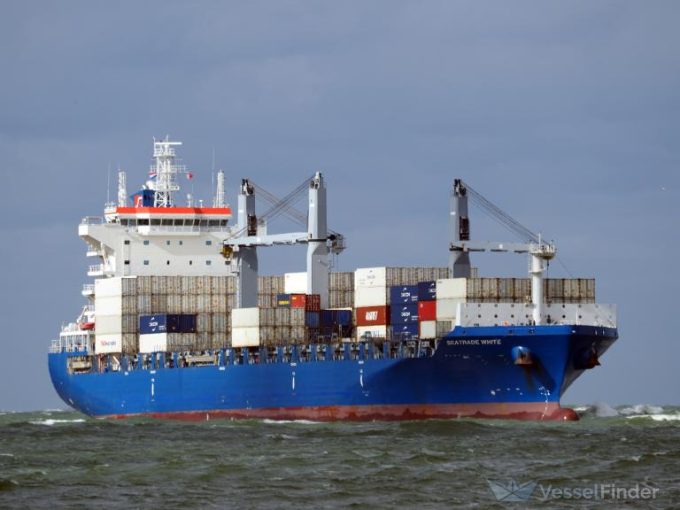
The return of major container lines to the Suez Canal route, bypassing the longer journey around the Cape of Good Hope, presents a fascinating strategic gambit. If successful and widely adopted, it could indeed act as a significant “release valve” for the overcapacity that many in the industry fear is on the horizon. The current strength of the market, characterized by elevated rates, is precarious. This strength is often attributed to the extended transit times necessitated by the Red Sea security situation. If carriers can confidently and economically resume Suez transits, it would shave days off voyages, freeing up vessel capacity. This sudden injection of capacity, if not met by a corresponding surge in demand, could rapidly push rates downwards, potentially triggering a price war. It’s a high-stakes game of chicken, where the immediate benefit of shorter routes is weighed against the long-term risk of market saturation.
Will Air Cargo Rates Ever Come Down?
The current elevated rates in air cargo are a direct consequence of a complex interplay of factors, most notably persistent jet fuel shortages and high prices. This means airlines are facing significantly higher operating costs, which are inevitably passed on to shippers. Compounding this is the slow return of capacity, meaning demand is outstripping supply, further bolstering rates. While capacity is gradually increasing, the underlying cost pressures from fuel and the inherent inefficiencies of a market still recovering from broader disruptions mean that a significant drop in air cargo rates is unlikely in the immediate future. Shippers will likely continue to face premium pricing until fuel markets stabilize and global capacity can truly catch up. It’s less about demand falling and more about the fundamental cost of flying remaining stubbornly high.
**
🧬 Related Insights
- Read more: Redistricting: Democrats’ 2028 Playbook
- Read more: Gartner’s $53 Billion AI Agent Boom in Supply Chains: Skeptical Reality Check
Frequently Asked Questions**
What is the current situation with the Strait of Hormuz? The Strait of Hormuz remains effectively closed to most commercial shipping due to ongoing geopolitical tensions, significantly impacting oil prices and global supply chains.
Why are air cargo rates so high right now? Air cargo rates are elevated due to persistent jet fuel shortages and high prices, coupled with a slow return of capacity, leading to a supply-demand imbalance.
Could box lines returning to Suez worsen overcapacity? Yes, if container lines resume Suez transits and reduce transit times, it could release significant vessel capacity into the market, potentially leading to overcapacity and a decline in freight rates if demand doesn’t keep pace.