So, industrial production is up. Big deal, right? The Federal Reserve dropped the latest numbers and we’re told output at factories, mines, and utilities surged 0.7% in April, a nice little rebound after a dismal March. Great. Now, translate that from Fed-speak to what it actually means for the guy stocking shelves or the trucker hauling goods.
This report is supposed to signal some nascent momentum. Manufacturing, which is supposedly the backbone of all this, saw a 0.6% bump. Mining dipped a bit, utilities perked up. All very neat and tidy on paper. But let’s be honest, this isn’t exactly a roaring comeback for the working stiff. The question isn’t ‘did it go up?’, it’s ‘who is actually making money here?’ and ‘does this trickle down to my paycheck?’ Spoiler: usually, it doesn’t.
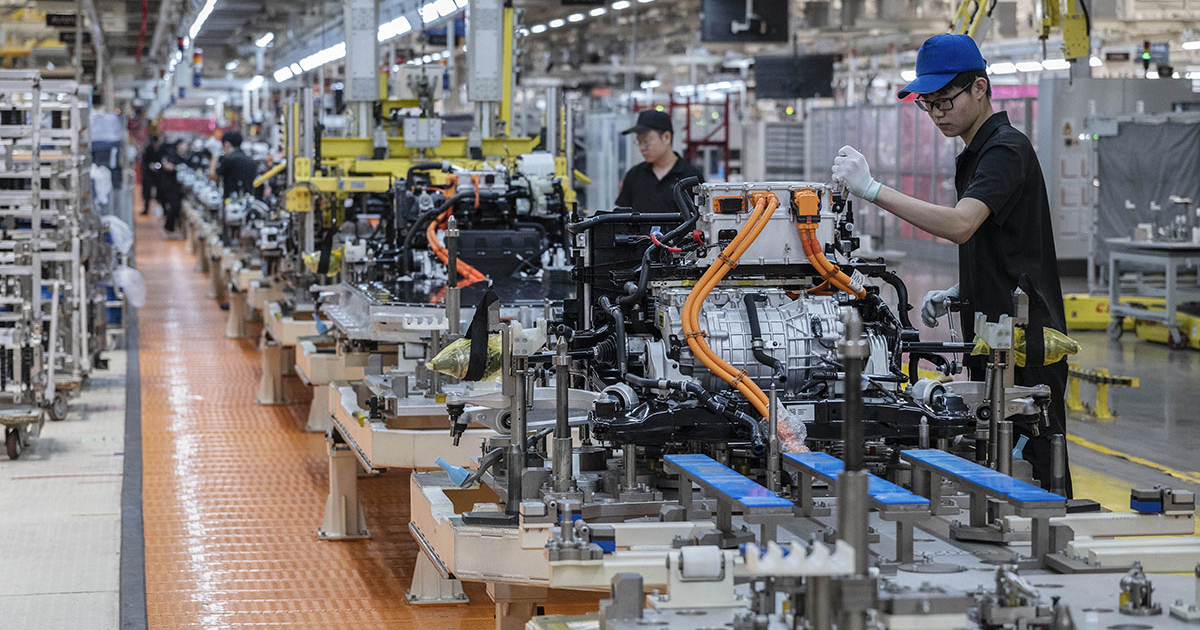
They’re touting this as evidence the manufacturing sector is holding its own, even with geopolitical nonsense and tariffs jacking up costs. Apparently, tax cuts and a data center boom are doing wonders. Wonders for whom? The tech giants building those centers, sure. The guys getting tax breaks, probably. But is your local auto mechanic seeing his business boom because car production jumped 3.7%? Unlikely.
Beyond the Buzzwords: What’s Really Driving This?
We’re hearing about the ‘data center boom’ and ‘defense spending’ like they’re magic bullets. And sure, sectors like computers, aerospace, and defense equipment are showing gains. Production of defense and space equipment has been climbing for five months straight, apparently because the government is finally remembering it needs bullets and tanks. That’s not exactly a sign of a healthy, consumer-driven economy; it’s a reflection of a world teetering on the brink.
And then there’s the data center angle. Electrical equipment, fabricated metals—all seeing love because of the insatiable appetite for… more servers. It’s a self-feeding loop. Companies need more processing power, so they build more data centers, which requires more specialized equipment, which boosts output in those niche sectors. Fascinating from an academic perspective, perhaps. But for the guy on the factory floor making, say, widgets that nobody needs anymore, this is just more noise.
The report adds to evidence that the manufacturing sector is holding up even as the Iran war and tariffs drive up input costs, thanks in part to tax cuts and the tailwind from the data center boom.
This quote. Oh, this quote. ‘The Iran war’? ‘Tariffs’? These aren’t abstract concepts; they mean higher prices for raw materials, more expensive shipping, and headaches for everyone involved in moving goods. And yet, somehow, we’re supposed to cheer because tax cuts and building server farms are offsetting it. It’s like saying a leaky roof is fine because you’ve got a really nice umbrella inside. Great. You’re dry, but the foundation is still rotting.
There’s also a whisper about stockpiling. Manufacturers trying to get ahead of ‘additional price increases.’ Translation: things are still getting more expensive, and everyone’s trying to lock in current prices before they go higher. This isn’t about growth; it’s about hedging against future pain. It’s a symptom of an economy trying to outrun inflation, not one confidently marching towards prosperity.
The Bottom Line: Who’s Actually Winning?
The capacity utilization rate is up. Factories are humming a bit louder. But is this sustainable? Or is it just a temporary surge fueled by specific, perhaps transient, factors like government spending on defense and a boom in tech infrastructure? I’d bet on the latter. The geopolitical landscape remains a mess, and while the Strait of Hormuz might not be actively blocked, the ripples from global instability are still being felt. Expect inflation to stick around.
So, while the charts might look pretty for a quarter or two, don’t expect your grocery bill to suddenly drop or your commute to become magically shorter. The real beneficiaries of this industrial uptick are likely those already at the top of the food chain – the corporations getting tax breaks, the tech giants building server farms, and the defense contractors. For everyone else, it’s just another report that doesn’t quite touch their reality.
**
🧬 Related Insights
- Read more: Gulf’s Post-Oil Dream Crumbles: UAE Exits OPEC, Saudi Cuts LIV
- Read more: China’s Robotics Pivot: AI Goes Physical
Frequently Asked Questions**
What does the 0.7% increase in industrial production mean? It means factories, mines, and utilities produced 0.7% more goods and services in April compared to March, indicating a slight recovery in the industrial sector. However, the real-world impact on individuals depends on who benefits from this increase.
Is this a sign of a strong economy? While a rise in industrial production is generally positive, this particular jump appears driven by specific factors like defense spending and the data center boom, rather than broad-based consumer demand. Skepticism is warranted regarding its long-term sustainability.
Will this increase lead to more jobs? Potentially, in the specific sectors seeing growth, like manufacturing related to defense and technology. However, it’s not a guarantee of widespread job creation across the entire economy, and job gains might not offset other economic pressures.