Have you stopped to think about how much the world’s oceans cost to navigate? Because as of May 2026, they’re costing an eye-watering fortune, and the bill is only going up.
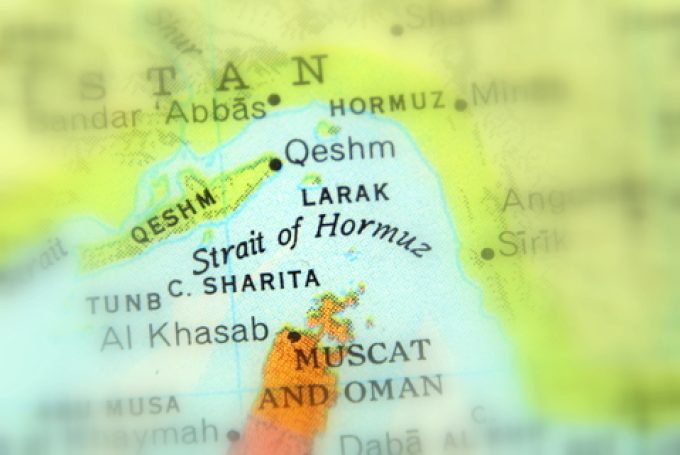
The Strait of Hormuz, that vital chokepoint for global oil and gas, isn’t just showing signs of stress; it’s practically seizing up. Reports suggest conditions are becoming not only more dangerous but increasingly constricted. Meanwhile, back channels in Beijing reportedly saw U.S. President Donald Trump discussing his ongoing friction with Iran with Chinese President Xi Jinping during a state visit. The implication? Geopolitical gamesmanship is directly impacting the arteries of global commerce.
Meanwhile, a separate legal bombshell dropped stateside: U.S. federal prosecutors have slapped criminal charges on Synergy Marine, a Singapore-based shipmanager. This action is directly tied to the catastrophic collapse of Baltimore’s Francis Scott Key Bridge back in 2024, a grim reminder that even familiar infrastructure isn’t immune to disaster. The Dali’s striking the span, leading to six fatalities, clearly left a long, litigious shadow.
But the real sticker shock comes from the Panama Canal. Auction prices for priority transits have skyrocketed, hitting an unfathomable $4 million per vessel this week. This isn’t just market fluctuation; it’s a symptom of a seismic shift. Turmoil in the Middle East is forcing shipping operators to abandon established routes and scramble for alternatives, driving demand for the already strained Panama Canal to unprecedented levels.
The Cost of Clarity in a Complex World
Amidst this maritime maelstrom, the industry’s thought leaders are grappling with their own navigational challenges. Two recent Maritime CEO interviews, surprisingly, featured individuals embarking on rather… adventurous personal journeys. Lars Jensen, a respected container shipping forecaster, is prepping for an 18-month camper van odyssey around Africa. Then there’s Stuart Macdonald, a mountain guide, who’s planning a solo row across the Atlantic for charity and seeking a maritime sponsor. While admirable, these tales of personal endurance and seeking sponsorships feel oddly disconnected from the hard-nosed realities faced by shippers scrambling to move goods across a fractured globe.
The Splash Wrap podcast, on the other hand, hits closer to the mark, posing a critical question: where is maritime technology genuinely failing? The argument is potent: the industry is prioritizing a shiny veneer of complexity over actual utility, chasing digital tools rather than a clear decision-making framework. This is the core insight – the competitive advantage isn’t in the sheer volume of data or the fanciest dashboard, but in the ability to make a sound decision when the pressure is on. And right now, the pressure is immense.
The podcast argues that the true competitive advantage lies in having a clear decision-making framework rather than the largest collection of digital tools.
This isn’t just about higher shipping costs. It’s about a fundamental disruption to supply chain predictability, a concept that’s been eroding for years but is now accelerating at breakneck speed. The reliance on specific chokepoints, whether natural or man-made, has always been a vulnerability. May 2026 has hammered that point home with a sledgehammer.
Why Does This Matter for Global Trade?
When the Strait of Hormuz is effectively a no-go zone for many, and the Panama Canal demands a king’s ransom, the ripple effects are immediate and severe. Companies are facing extended transit times, drastically increased freight rates, and the chilling prospect of stockouts. This forces a strategic re-evaluation of sourcing strategies, inventory levels, and even manufacturing locations. The “just-in-time” model, already under strain, is looking more like a relic than a realistic strategy for many businesses. We’re seeing a clear move towards diversification of routes and, where possible, regionalization of supply chains, a trend that was gaining traction but is now being supercharged by these unfolding crises.
This current landscape demands more than just better technology; it requires better strategy. It necessitates a willingness to embrace uncertainty and build resilience into every link of the chain. The days of predictable, low-cost shipping are, for the moment, a distant memory. The new reality is volatile, expensive, and demands a sharp, data-driven approach to navigate. Ignoring these seismic shifts isn’t an option; it’s a business-ending mistake.
🧬 Related Insights
- Read more: AI’s Supply Chain Blind Spot: Seeing Problems, Not Solving Them
- Read more: ICE Deported 442K in FY25: Trump’s 1st Data Dump [Analysis]
Frequently Asked Questions
What are the main geopolitical tensions affecting shipping in May 2026?
Geopolitical tensions are primarily concentrated around the Strait of Hormuz, impacting tanker and container traffic due to increased dangers and potential blockades. Discussions between the U.S. and China regarding Iran also contribute to a tense global climate affecting maritime operations.
How much is a priority transit through the Panama Canal costing?
Auction prices for priority transits of the Panama Canal have surged to an unprecedented $4 million per vessel as of May 2026, driven by rerouting of ships due to Middle East tensions.
What is the core criticism of maritime technology mentioned?
The industry is criticized for prioritizing complexity and a large collection of digital tools over clarity and a strong decision-making framework, suggesting that true competitive advantage lies in strategic thinking rather than just technological adoption.