The drone buzzed just outside the kitchen window, a delivery drone not a bee, dropping a small parcel on the porch with unnerving precision.
This isn’t science fiction anymore; it’s the tangible reality of e-commerce logistics in 2026. The consumer’s insatiable appetite for instant gratification—same-day, next-day—has forced the hand of every player in the supply chain. At the heart of this seismic shift? Transportation Management Systems (TMS). Once a somewhat niche piece of software, TMS has graduated to become the central nervous system for modern delivery networks, handling millions of orders daily where previously manual processes and rudimentary tracking sufficed.
The stakes have never been higher. Consumers expect speed. They expect transparency. And they certainly expect those packages to show up on their doorstep not just on time, but before they start refreshing their tracking app for the tenth time. Traditional logistics, built for bulk shipments and predictable schedules, are groaning under the pressure. The intricacies of omnichannel retail—syncing inventory across myriad platforms, managing returns with the same efficiency as outbound orders, and navigating the seasonal chaos of Black Friday—add layers of complexity that would have sent old-school dispatchers scrambling for antacids.
But here’s the real story: TMS isn’t just a tool for keeping up. It’s the engine driving a new era of efficiency and customer satisfaction. By integrating disparate systems—from the warehouse floor (WMS) to the executive suite (ERP) and directly into e-commerce platforms—TMS orchestrates a symphony of movement. It’s about smarter route planning, not just to save fuel (though that’s a nice perk), but to shave minutes, then hours, off delivery times. It’s about choosing the right carrier, the right vehicle, at the right moment, and knowing, with almost uncanny accuracy, where that shipment is every step of the way.
Is AI the Silver Bullet for Last-Mile Woes?
The latest iteration of TMS is where things get really interesting. Artificial Intelligence and machine learning aren’t just buzzwords; they’re the operational backbone. These algorithms analyze vast datasets to predict demand with startling accuracy, optimize fleet utilization, and, crucially, automate decision-making in real-time. Imagine a system that can reroute a delivery van around an unforeseen traffic jam before the driver even knows about it, or adjust delivery schedules dynamically based on fluctuating weather patterns. That’s AI-powered logistics.
This isn’t just about getting packages from A to B faster. It’s about building a fundamentally more resilient and responsive supply chain. AI enables predictive maintenance for delivery vehicles, proactive identification of potential delays, and a level of granular control that was previously unattainable. And for the customer? It means real-time notifications that are actually useful, not just generic “Your order is on its way.” It means knowing, with confidence, when that package will arrive. For high-value or fragile goods, the integration with IoT sensors provides unprecedented visibility into conditions like temperature and shock, ensuring product integrity right up to the customer’s hands.
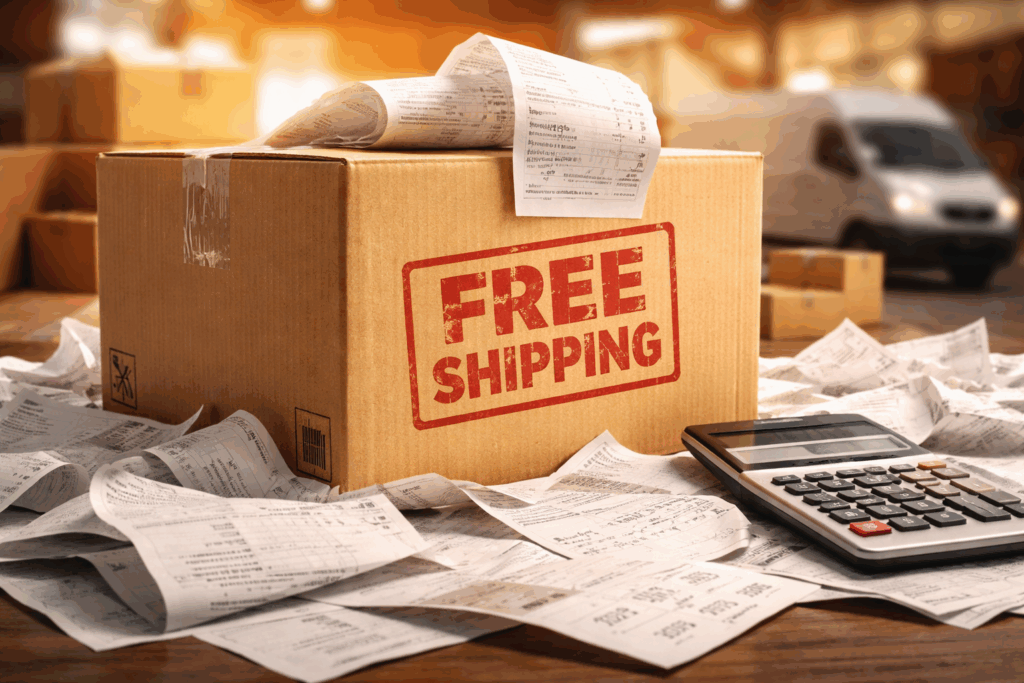
The final mile is usually the trickiest and the most expensive part of all deliveries. Sometimes, last mile shipping can represent as much as 50% of total costs for delivery.
This statistic, often cited but rarely truly grappled with, underscores the imperative for innovation. And that’s precisely where TMS is stepping up. It’s not just about optimizing existing routes; it’s about reimagining the entire delivery ecosystem. Micro-fulfillment centers closer to urban cores, dynamic dispatching of smaller, more agile delivery units (think scooters or cargo bikes for dense areas), and even the nascent integration of autonomous delivery robots and drones are all being orchestrated through sophisticated TMS platforms.
Why Does E-Commerce Demand Such Advanced Logistics?
Here’s a thought: the complexity isn’t going away. E-commerce adoption continues its upward trajectory globally. Holiday spikes, flash sales, and personalized marketing campaigns create demand surges that would cripple a less agile system. Omnichannel isn’t just a trend; it’s the expected standard. Customers don’t think in terms of online versus in-store; they think in terms of their brand experience, and that experience is inextricably linked to the logistics that support it.
The integration of TMS with other enterprise systems is therefore not optional, it’s existential. smoothly data flow between the e-commerce front end, the warehouse management system, and the transportation network ensures that inventory levels are accurate, order statuses are up-to-the-minute, and delivery promises are realistic. This interconnectedness minimizes errors, reduces the costly cycle of expedited shipments due to poor planning, and, most importantly, builds customer loyalty.
Looking ahead, the trajectory is clear. TMS will continue to evolve, driven by advancements in AI, the proliferation of IoT devices, and the ongoing quest for greater speed and efficiency in the last mile. Companies that fail to invest in and strategically implement these systems risk becoming footnotes in the rapidly evolving narrative of e-commerce. The race for market share is increasingly being won not just on product or price, but on the flawless execution of delivery.
**
🧬 Related Insights
- Read more: Expulsion Votes Loom for Swalwell and Gonzales: Partisan Chaos Hits Congress
- Read more: The Hidden Layers of the Supply Chain Cost Stack Where Real Margin Lives
Frequently Asked Questions**
What exactly is a Transportation Management System (TMS)? A TMS is a software platform that helps businesses manage and optimize their transportation operations, from planning and execution to freight auditing and reporting. It integrates with other supply chain systems to provide end-to-end visibility and control over shipping.
How does AI improve last-mile delivery? AI enhances last-mile delivery by enabling predictive route optimization, dynamic rescheduling to avoid delays, improved demand forecasting, automated decision-making for dispatch, and real-time customer updates, leading to faster, more reliable, and transparent deliveries.
Will delivery robots and drones replace human drivers? While autonomous delivery vehicles and drones are entering the market, they are currently best suited for specific use cases (e.g., dense urban areas, last-mile package drops). Human drivers remain critical for complex deliveries, customer interaction, and managing exceptions. The near future likely involves a hybrid model where AI-powered TMS coordinates both human and autonomous resources.