Dust kicks up like a genie’s warning under the blazing sun of 10th of Ramadan City, where yesterday’s empty lots morph into tomorrow’s trade superhighway.
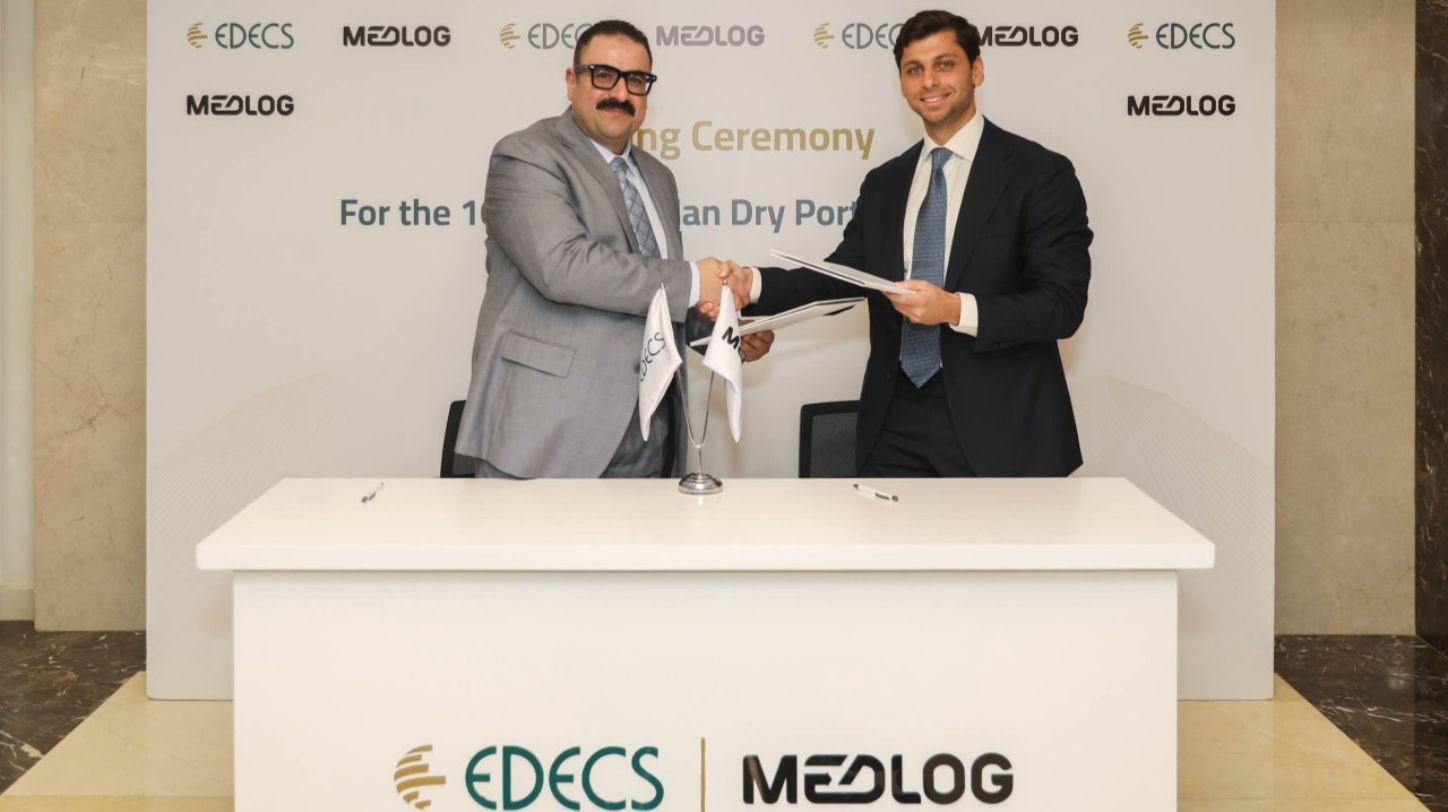
EDECS and MEDLOG just inked the deal for Egypt’s newest dry port project in 10th of Ramadan City – a sprawling 189,000m² beast designed to suck in cargo from seaports and spit it out to factories faster than you can say ‘Suez shortcut.’
It’s not just dirt-moving. Nah. This is Egypt flexing its logistics muscles, EPC-style: engineering, procurement, construction all bundled up with earthworks, paving, utilities, and core infrastructure that screams efficiency.
But here’s the spark – the digital and smart transport systems baked right in. Imagine sensors chatting with trucks, AI juggling container stacks like a cosmic juggler, slashing costs and coaxing down emissions. We’re talking a platform shift, folks, where logistics sheds its analog skin for something alive, predictive, pulsing with data.
What the Heck is a Dry Port – And Why’s Egypt Obsessed?
Dry ports. Inland hubs mimicking seaports without the salty waves. They bridge the gap – sea to factory floor – easing congestion at places like Alexandria or Suez.
Egypt’s betting big. This one’s part of a national push to sprout these hubs everywhere, knitting ports to industrial zones with threads of steel and silicon. 10th of Ramadan City? Prime spot. It’s already buzzing with factories, a stone’s throw from Cairo’s chaos.
Think of it like ancient caravans hitting an oasis – but supercharged. Back then, traders paused, swapped goods, pushed on. Today? AI forecasts delays, reroutes in real-time, turns bottlenecks into breezes.
And for MEDLOG – MSC Group’s logistics arm – this marks their virgin dry port voyage in Egypt. Swiss precision meets Egyptian ambition. Expansion? You bet.
Hussein El Dessouky, EDECS chairman, nailed it:
“This partnership reflects a shared vision of creating world-class infrastructure that drives the region’s economic development. Together with MEDLOG, we are building a facility that will serve as a cornerstone for the region’s trade and logistics future.”
Spot on. But let’s cut the PR ribbon – is this hype or hardware?
How AI Sneaks In – And Why It’s the Real Star
Sure, the contract’s design-and-build. Earthmovers rumble. Pipes snake underground. Yawn if you’re not paying attention.
The magic? Those ‘digital and smart transport systems.’ Picture this: IoT beacons on every pallet, feeding data to cloud brains that predict everything from truck ETAs to weather snarls. It’s like giving the supply chain a sixth sense.
Egypt’s not alone. China’s got ‘em. Dubai’s dry ports hum with blockchain. But here? In the heart of Africa’s rising powerhouse, this could be the node that links Mediterranean flows to Sub-Saharan booms.
My bold call – and it’s one the press release skips: this dry port echoes the Suez Canal’s 1869 debut. Back then, it shaved weeks off Europe-Asia routes, birthing modern globalization. Now? AI-infused dry ports like this one could do the same for intra-African trade, slashing those brutal land-sea handoffs that plague the continent. Prediction: by 2030, it’ll handle 20% more volume than projected, thanks to autonomous yard ops we haven’t even dreamed up yet.
Skeptical? Fair. Corporate spin loves ‘smart’ labels. But MEDLOG’s track record – think their Mediterranean mastery – suggests they’ll deliver. EDECS? Local heavyweight, no stranger to mega-projects.
Will This Catapult Egypt Past Dubai in Logistics Wars?
Egypt dreams of regional hub status. This dry port? Fuel for that fire.
Proximity to the New Administrative Capital, Suez Canal Economic Zone – it’s chess, not checkers. Goods zip from ships to assembly lines, dodging Cairo’s infamous gridlock.
Costs drop. Emissions too – electric yard trucks, optimized routes. Environment? Wins.
But challenges lurk. Power grids? Water scarcity? Political winds? Egypt’s navigated worse.
Zoom out. Supply chains worldwide creak under pandemics, wars, chokepoints. AI platforms fix that – predictive, resilient. This port’s a bet on that future, turning desert into data-driven gold.
Look, trucks will roll soon. Operations by 2026, I’d wager. And when they do? Africa watches. The world reroutes.
Energy here – pure wonder. It’s not infrastructure. It’s ignition.
The Ripple: From Factories to Your Doorstep
10th of Ramadan’s factories – textiles, autos, pharma – get first dibs. Faster inputs mean quicker exports. Jobs? Thousands in construction, then ops.
Regionally? Jordan, Sudan, Libya plug in. Globally? MSC’s network amplifies it.
Critique time: Egypt’s PR paints perfection, but real wins demand flawless execution. Delays? We’ve seen ‘em. Still, momentum’s massive.
Vivid bit: Envision nightfall. Lights blaze. Drones buzz inventory. Algorithms whisper optimizations. It’s logistics, alive.
This isn’t incremental. It’s foundational – AI as the new rails of trade.
🧬 Related Insights
- Read more: El Niño Eyes Panama Canal Again: Drought Delays for Your Next iPhone
- Read more: Printed Batteries: Power in the Cracks, or Just Another Hype Cycle?
Frequently Asked Questions
What is the dry port project in Egypt’s 10th of Ramadan City?
It’s a 189,000m² inland logistics hub by EDECS and MEDLOG, with smart tech to link seaports to industries efficiently.
When will Egypt’s 10th of Ramadan dry port open?
No firm date yet, but EPC work starts soon – expect operations in 2-3 years, accelerating regional trade.
How does smart tech work in dry ports like this?
IoT sensors, AI analytics, and digital systems track cargo, predict flows, cut costs, and green operations.