The consensus among supply chain watchers was a steady, if cautious, recovery for the Class 8 truck market. Expectations were for incremental gains, a slow climb back from a sluggish period. What we got in April, however, was less of a climb and more of a leap.
ACT Research and FTR Transportation Intelligence both reported triple-digit year-over-year gains, with ACT flagging a staggering 201% increase to 24,800 units. FTR wasn’t far behind, clocking in at 199% growth to 25,500 units. This isn’t just a blip; it’s the fifth consecutive month that has outpaced the previous year. Yet, the narrative isn’t entirely rosy; sequential numbers show a dip from March, a nod to typical order seasonality and a market that, while surging, still contends with significant crosscurrents.
Why the Unexpected Surge?
Forget incremental. The data suggests a confluence of factors are breathing significant life into the heavy-duty truck sector. Dan Moyer at FTR Transportation Intelligence points to a dual force: genuine freight recovery and the ever-present specter of regulatory change. The prospect of more expensive vehicles post-2027, when new emissions standards kick in, appears to be spurring some fleets to act now, a classic “pre-buy” scenario. This isn’t entirely new, but the magnitude of the year-over-year jump implies this anticipatory ordering is gaining serious traction.
“The abrupt shift in demand in recent months has brought some risks as we have noted previously,” said Dan Moyer, senior analyst of commercial vehicles at FTR. “One risk is that fleets will act out of ‘fear of missing out,’ or FOMO, to order earlier or in larger quantities than needed to avoid being shut out of 2026 production, thus raising cancellation risks.”
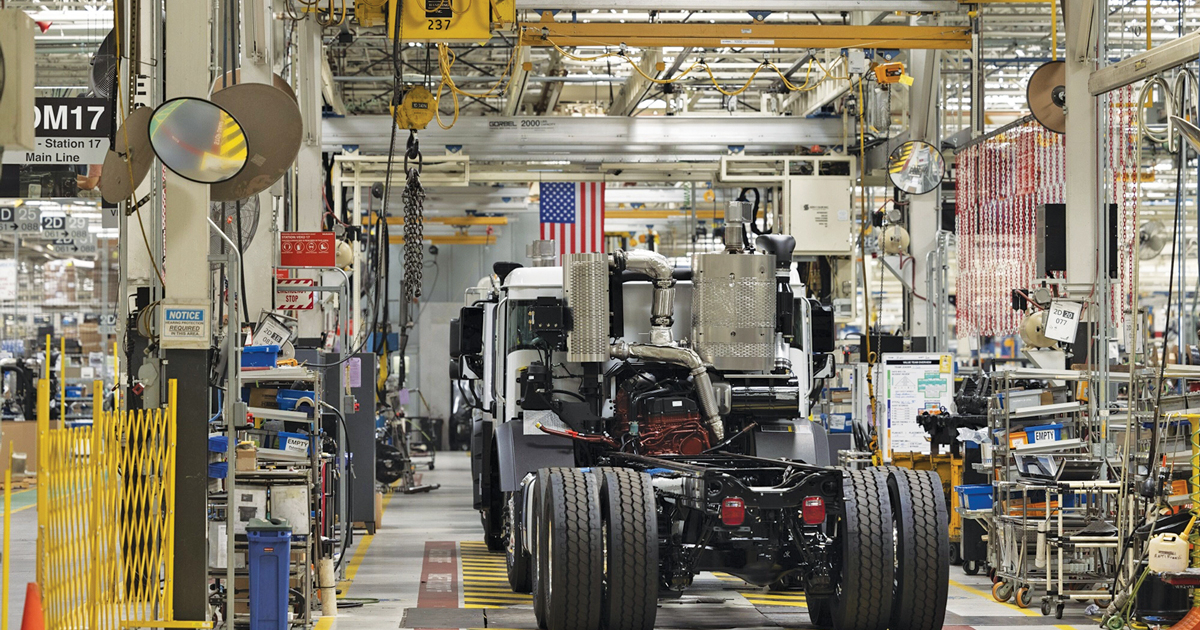
This “fear of missing out” is a tangible market force, but Moyer also cautions against overstating it unless the freight recovery falters. The more immediate concern for manufacturers isn’t a lack of orders, but the sheer logistical challenge of fulfilling them. Ramping production from a first-quarter low, while navigating persistent supply chain snags, labor constraints, and inventory management — it’s a high-wire act.
Manufacturers on Alert
Truck makers themselves acknowledge the surge. Jonathan Randall, president of Mack Trucks North America, notes that pre-buy activity is indeed on the rise as fleets weigh their purchasing strategies against the backdrop of anticipated 2027 cost increases. He also highlights improving freight rates and tightening capacity as ongoing tailwinds, though he keeps an eye on geopolitical pressures like the Iran conflict and their potential impact on fuel prices. For now, fuel costs haven’t drastically altered fleet decisions, but it’s a dynamic worth monitoring.
Magnus Koeck from Volvo Trucks North America echoes the sentiment, confirming April’s orders significantly outpaced last year’s figures, even as they moderated from the preceding four months. He attributes this to fleets resuming delayed purchasing cycles as freight rates improve. The pre-buy element is definitely in play, and dealers are reportedly placing stock orders for build slots extending into the latter half of the year. Yet, Koeck also injects a dose of reality, reminding us that carriers are still grappling with high operating costs, regulatory hurdles, and ongoing profitability challenges. Fuel efficiency, he emphasizes, isn’t just a nice-to-have; it’s a critical factor for fleet survival.
A Tale of Two Risks: Over-ordering vs. Production Bottlenecks
Here’s the core tension: the market is signaling strong demand, driven by both economic fundamentals and forward-looking regulatory anticipation. But this surge isn’t without its inherent dangers. The “FOMO” effect, if unchecked, could lead to order cancellations down the line if economic conditions shift or if too many fleets overcommit. This is a classic cyclical risk that seasoned industry players know to watch.
However, the more immediate and perhaps more complex challenge lies with the manufacturers. Their ability to execute production ramp-ups without stumbling over labor, components, or logistical nightmares will be the true test. We’ve seen this before in other sectors – a sudden spike in demand can expose fragilities in complex, multi-tier supply chains. If manufacturers can’t deliver on time and at cost, the initial surge in orders could sour quickly, leading to dissatisfaction and potentially impacting future demand.
This isn’t just about hitting numbers; it’s about sustainable production. The market wants trucks, but it also needs them delivered reliably and without the inflationary pressures that unmanaged ramp-ups can create. The next few quarters will be a critical period for assessing whether the industry can turn this impressive order volume into tangible, delivered assets without creating new bottlenecks.
🧬 Related Insights
- Read more: China’s AI Robots: Less Humanoid, More Hustle
- Read more: IMC Logistics Bets Big on Kuehne+Nagel CFO Import
Frequently Asked Questions
What caused Class 8 truck orders to increase so much in April?
Orders jumped due to a combination of recovering freight demand and fleets potentially ordering ahead of expected cost increases from new regulations in 2027.
Are manufacturers worried about too many orders?
Yes, manufacturers face risks related to ramping up production to meet demand, including labor, supply chain, and inventory challenges, alongside potential order cancellations if fleets overcommit.
Will this surge in orders mean higher truck prices?
While not directly stated, the article mentions expectations of more expensive vehicles post-2027 due to regulatory changes, suggesting potential upward price pressure.