For what feels like an eternity, the AI narrative in tech circles has been a heady mix of abstract concepts: perception, generative magic, and agentic workflows. We’ve seen machines learn to see, hear, and even churn out text and images that, at times, fooled us into thinking sentience was around the corner. All of it, though, largely confined to the glow of a screen, humming away in the cloud.
That’s the party line, anyway. And for a while, it was the only game in town. But the digital realm, as expansive as it is, has its limits. Now, things are shifting, and not in the way the sci-fi authors predicted.
The future, apparently, is physical. This isn’t some far-off concept; it’s already starting to reshape how we think about robots and automation. We’re talking about AI that doesn’t just process data, but actively does things in the real world. Navigating your living room, fiddling with a screwdriver, or, yes, even picking up that rogue sock.
From Seeing to Doing: The Robotics Reality Check
For the longest time, AI in robotics was mostly about making machines “smart” enough to understand their environment. Give a robot a camera, a microphone, and a fancy algorithm, and it could identify a hazard. Great. But then what? Usually, it was back to a rigid set of instructions, a pre-programmed dance that AI merely enabled, but didn’t truly direct. Physical AI flips that script.
Now, the machine has to act. It’s a constant, frenetic loop: sense, reason, act, adapt. And it has to happen now, not when the cloud server decides to respond. Think about your average robot vacuum. Left with a stray sock? It’s toast. A new breed of AI-powered bots might see it, navigate around it. But the real leap? Grabbing the darn thing and putting it away. That’s the ‘act’ part, and it demands on-board intelligence. Edge compute. No ifs, ands, or buts.
Relying on the cloud for real-time physical actions introduces unacceptable risks. Latency, connectivity gaps, or unpredictable delays cannot be part of a control loop responsible for real-world actions.
This is why the edge is suddenly the hottest ticket in town for AI. The cloud is still the powerhouse for training models, for learning the big lessons. But when it comes to actually doing the job, to making that physical move, you need processing power right there, on the device. Offline. Always on.
The Humanoid Hype Machine
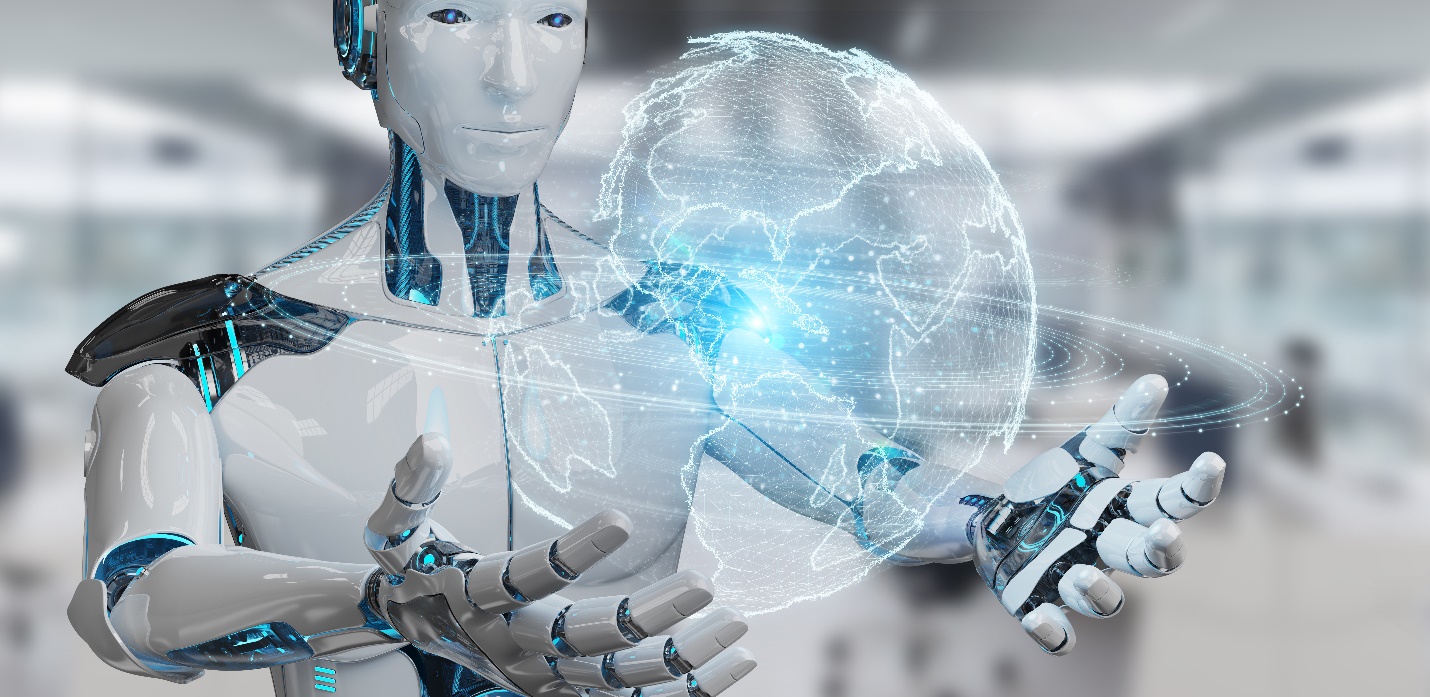
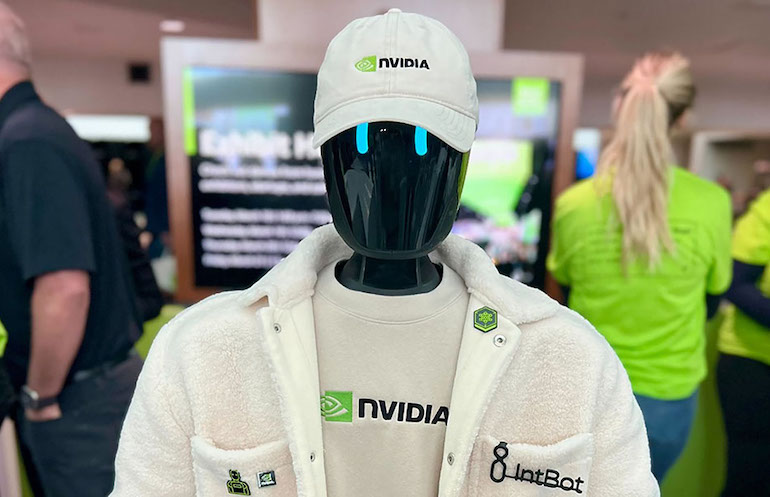
Meanwhile, the tech media and VCs have been going hog-wild over humanoid robots. General Motors’ plans for autonomous vehicles and the visions of Boston Dynamics’ Atlas dancing have captured the imagination. It’s a compelling picture, sure. A machine that can do anything a human can. But let’s be honest: it’s a distraction from the immediate, practical reality.
The bottleneck in robotics isn’t just intelligence anymore. AI is getting scarily good at the thinking part. The real problem is the hardware. The dexterity. The energy efficiency. The sheer, unadulterated cost of building something with the nuanced capabilities of a human hand, let alone an entire human body. We’re not there yet, and anyone selling you a cheap, general-purpose humanoid butler is selling you a pipe dream.
Specialization is King (and Queen, and Rook)
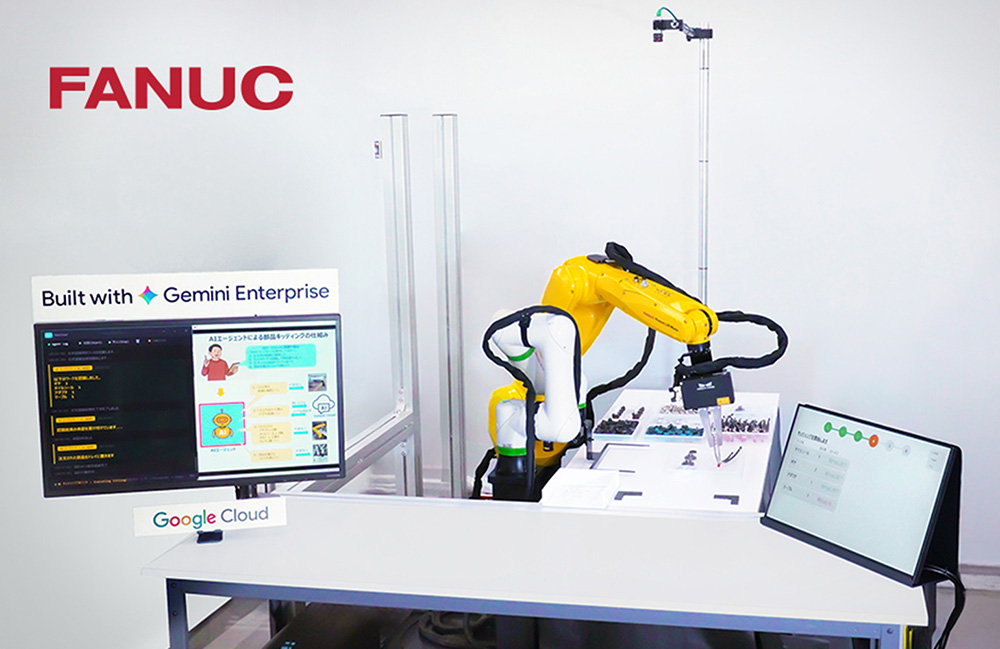
So, where is the money being made? In task-specific robots. Forget trying to build a universal machine. The market is hungry for robots that do one thing, and do it exceptionally well. Think about it: a robot arm meticulously assembling circuit boards, a drone autonomously inspecting wind turbines, or a warehouse bot that just moves pallets, endlessly, efficiently.
These systems thrive in controlled environments. A kitchen bot might be a whiz at chopping vegetables, but don’t expect it to do your taxes. A last-mile delivery bot is built for streets, not for navigating your pet-filled backyard. Agricultural drones are busy spotting blight, not serenading your prize-winning roses.
This isn’t sexy AI research fodder, but it’s where the rubber meets the road—or the drone meets the power line. It’s pragmatic. It’s cost-effective. And it’s the direction that makes actual business sense for a whole lot of industries right now.
Who is actually making money here? Those building specialized hardware and the AI to run it efficiently on the edge for specific, repeatable tasks. It’s not about the grand vision of robot overlords; it’s about solving immediate operational problems with a focused, cost-efficient solution.
FAQ
How is physical AI different from traditional AI? Physical AI involves AI systems that directly interact with and manipulate the real world, whereas traditional AI has largely been confined to digital environments.
Will humanoid robots be useful in the future? While compelling, fully capable humanoid robots for general tasks are likely limited to niche, high-cost applications in the near term due to significant hardware and cost challenges.
What is the main trend in current robot development? The primary trend is the development of task-specific robots designed to perform defined functions efficiently and cost-effectively, rather than general-purpose machines.