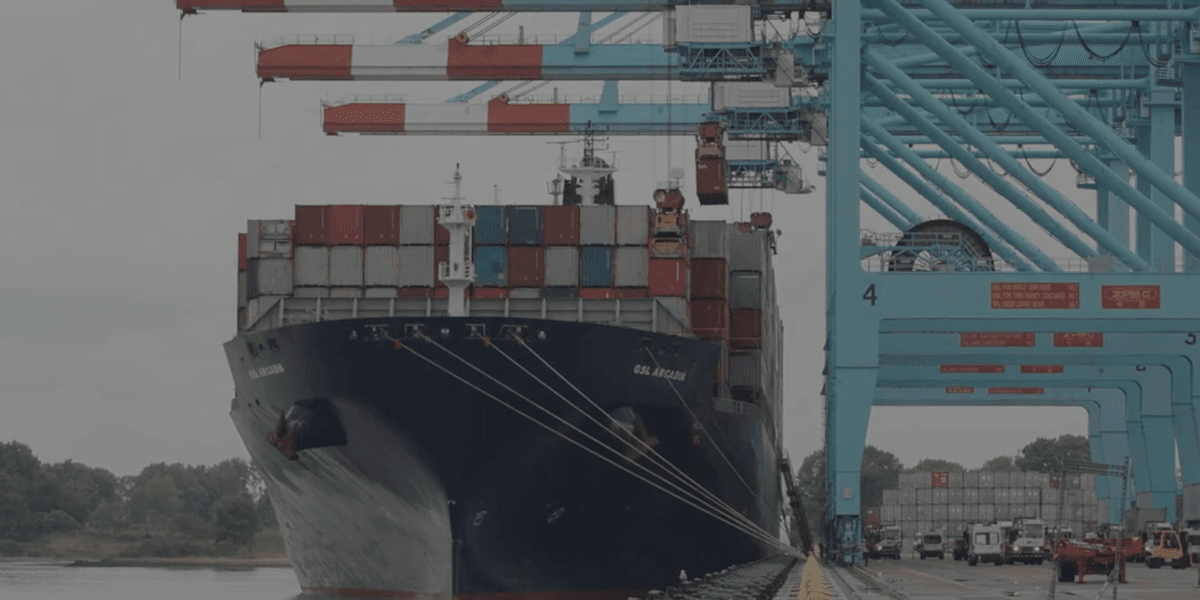
Here’s a number that’ll make your wallet clench: $6.7 billion. That’s what U.S. ports apparently need over the next five years to keep the cargo flowing efficiently. So says a survey by the National Association of Waterfront Employers (NAWE), which apparently polled a bunch of senior port and terminal execs. They’re eyeing new ship-to-shore cranes, yard equipment, repairs – the whole shebang. Apparently, we need over 100 new cranes just to keep up with the behemoth ships hitting our shores. Modernization, they call it. Competition, they whisper. Mostly, it sounds like a desperate plea for cash.
The breakdown? A cool $2.74 billion for new cranes. Another $2.4 billion for more cranes and big yard gear. Then there’s nearly a billion for rail-mounted stuff, and another chunk for just fixing what’s already creaking. It’s a hefty shopping list, no doubt.
But here’s the rub, the real kicker, the reason this whole multi-billion-dollar shopping spree is stuck in neutral: tariffs. Specifically, the Trump Administration’s muddled approach to tariffs on material handling equipment. It’s almost too perfect, isn’t it? A massive capital investment opportunity, and the biggest hurdle is… government policy.
NAWE has fired off a letter to the Office of the U.S. Trade Representative (USTR), begging for some clarity. They represent the folks who move 90% of the nation’s containerized trade. That’s not pocket change. Yet, these companies are apparently left guessing when it comes to spending billions. Uncertainty, they wail, risks delaying projects vital to the supply chain. You don’t say.
“Having clarity on tariff policy is essential for terminal operators making long-term investment decisions in our nation’s ports,” NAWE President Carl Bentzel said in a release. “Uncertainty risks delaying projects that are vital to maintaining the efficiency of the U.S. supply chain.”
What’s particularly amusing is the mention of a one-year pause on tariffs for Chinese-made cranes and equipment. A pause. Not a repeal. Not a clear-cut exemption. Just… a pause. So, orders, deliveries, parts – all potentially subject to renewed tariffs. It’s like getting a reprieve from a firing squad, only to be told they might reload later.
Is This About Tariffs or Excuses?
The irony is thick enough to clog a shipping lane. Ports claim they need billions. They point to the need for bigger cranes to handle bigger ships. All valid points. But then they trot out tariffs as the primary impediment. It’s a convenient narrative, isn’t it? Blame the unpredictable government. It allows everyone to look proactive while the actual infrastructure upgrade — the real work — gets deferred.
Let’s be frank. The U.S. manufacturing capacity for these highly specialized, massive pieces of equipment is, shall we say, thin. NAWE even hints at this. So, even without tariffs, getting enough cranes built and delivered would be a logistical nightmare. Relying on imports is almost a given. And if imports are a given, then tariffs become a very real, very expensive problem. The question is whether this tariff kerfuffle is the sole reason for the delay, or a handy scapegoat.
Think back to previous infrastructure debates. There’s always a bottleneck. There’s always a reason things don’t happen. Sometimes it’s permits. Sometimes it’s funding. Sometimes, it’s good old-fashioned bureaucratic inertia. Here, it’s tariffs and a dash of manufactured urgency.
The $6.7 Billion Question
So, will ports get their $6.7 billion? Will the cranes get ordered? Will the yard equipment roll in? Hard to say. What is clear is that the shiny new equipment might sit on the drawing board a while longer. Because navigating complex international trade policies is apparently harder than unloading a massive container ship. Who knew?
The real question is whether this demand for spending is a genuine reflection of urgent need or a strategic play for government assistance, masked by an easily identifiable external threat. It’s a narrative that benefits everyone: ports get to highlight their struggles, NAWE gets to lobby for policy changes, and manufacturers get a potential boost from government intervention or, conversely, from domestic production if tariffs truly bite hard enough to incentivize it.
But for the rest of us who just want our goods to arrive on time without a surprise $500 surcharge because a crane was delayed due to a tariff dispute… well, we just wait. And wait. And hope that someone, somewhere, figures out how to get the paperwork sorted. Because $6.7 billion is a lot of money to keep sitting idle, no matter how many excuses you have.