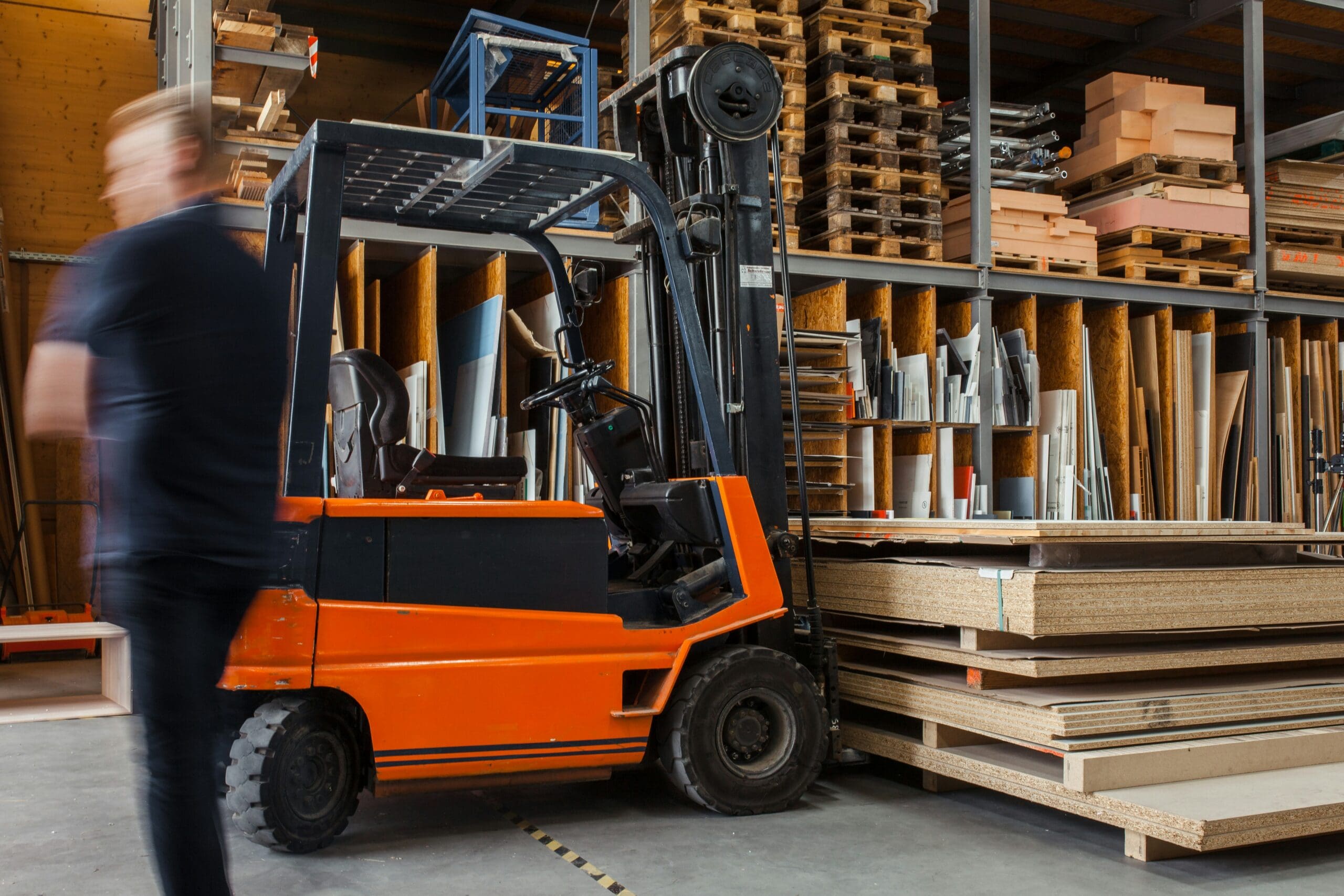
Here’s the thing: almost half of companies surveyed expect to boost their capital expenditures on forklift and pallet-handling technology by more than 15% in 2026. Let that sink in. This isn’t a marginal improvement; it’s a decisive swing in market sentiment, according to Interact Analysis’s latest Voice of Market report. We’re talking about a clear signal that the hardware and automation powering our warehouses aren’t just a cost center anymore – they’re strategic investments poised for expansion.
E-commerce, predictably, is the vanguard of this bullish trend. Their automation spend index clocks in at a strong 82.9, well above the neutral 50 mark, significantly outperforming sectors like retail, manufacturing, and third-party logistics. This isn’t surprising; e-commerce’s relentless demand for speed and accuracy necessitates a constant upgrade cycle, and forklifts and pallet handlers are the unglamorous but vital workhorses of that operation.
What’s Driving the Spending Spree?
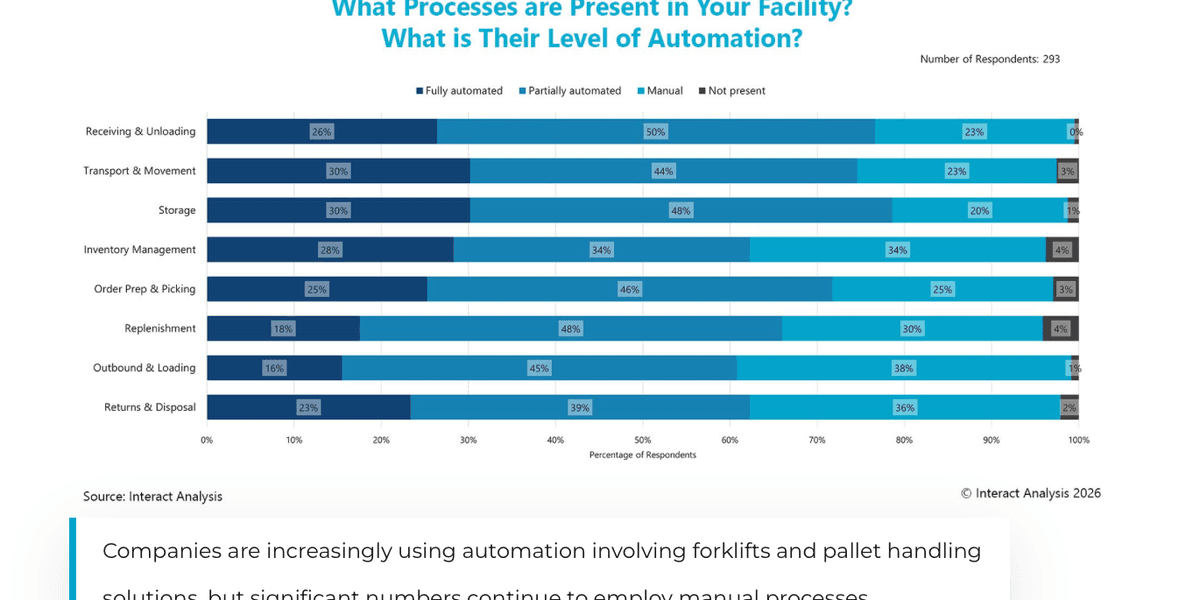
It boils down to a laser focus on operational efficiency. Throughput, unsurprisingly, takes the crown as the top-ranked Key Performance Indicator (KPI) for 2026. Following closely are orders and, of course, automation itself. The areas seeing the highest levels of automation today – storage, receiving/unloading, and transport – are precisely where companies are looking to double down. This suggests a mature understanding of where automation offers the biggest bang for the buck, rather than just chasing shiny new objects.
Receiving and unloading, in particular, is slated for a major overhaul. Currently sitting at only 26% fully automated, with another 50% using some form of automation, this bottleneck is ripe for improvement. Accuracy and stock damage are the persistent pains here, and it’s clear companies are ready to tackle them head-on. A whopping 68% plan to invest in more labor, but crucially, 56% are also earmarking funds for more technology. This dual approach – augmenting human capabilities with smarter tools – is where the real progress lies.
Is This Just Hype, or Real Investment?
The data points to genuine capital deployment, not just hopeful chatter. The report surveyed decision-makers globally involved in the use, selection, and purchase of automation technology. This isn’t a few vocal optimists; it’s a broad cross-section of the industry signaling a clear intention to spend. The fact that nearly half anticipate over a 15% increase suggests a significant portion of the market is moving beyond incremental upgrades and towards substantial fleet expansions or technology overhauls.
This trend also highlights a maturation in how businesses view warehouse automation. It’s no longer just about replacing manual labor; it’s about creating more resilient, efficient, and data-driven operations. The emphasis on KPIs like throughput and order fulfillment underscores this shift. Companies aren’t just buying robots; they’re buying the ability to process more goods faster, with fewer errors. That’s a fundamentally different, and far more compelling, investment thesis.
Interact Analysis’s caveat about careful planning to ensure effective and safe integration is spot on. Simply throwing technology at the problem won’t solve it. The success of these investments will hinge on how well new systems integrate with existing infrastructure and workflows. But the sentiment is undeniably positive. It’s a stark contrast to the often-reported slowdowns or cautious spending in other sectors of the economy. The warehouse floor, it seems, is humming with activity and, more importantly, with anticipated investment.
We’re seeing a sector that’s learned from past automation waves. The focus is on practical applications that directly impact the bottom line. This isn’t about creating a fully autonomous utopia overnight; it’s about incremental, strategic improvements that yield tangible results. And the numbers from Interact Analysis suggest that businesses are finally ready to pay handsomely for those improvements.
🧬 Related Insights
- Read more: Sortera Doubles Aluminum Sorting Capacity with AI Facility
- Read more: Walmart Simplifies Supplier Shipments [Logistics Overhaul]
Frequently Asked Questions
What is Interact Analysis? Interact Analysis is a technology research firm based in London that focuses on the industrial automation and supply chain technology markets. They conduct market research and publish reports based on surveys and analysis of industry trends.
Will this mean more jobs in warehouses? While automation can change the nature of jobs, the report indicates a planned investment in both labor and technology. This suggests a strategy of augmentation, where technology supports and enhances human capabilities rather than solely replacing them, potentially leading to a demand for new skill sets.
Why is e-commerce so bullish on this tech?