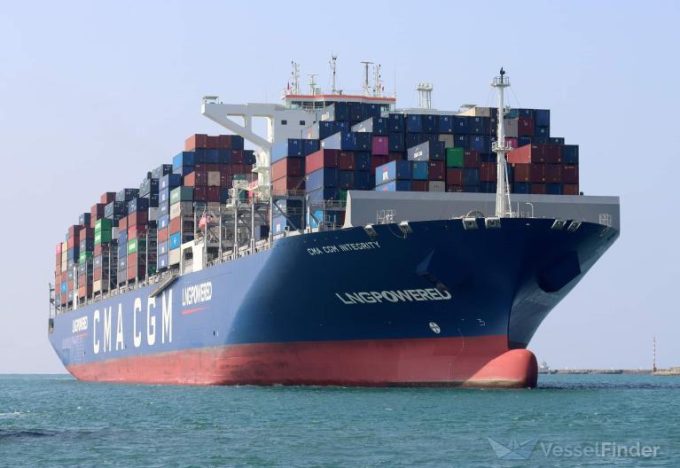
Look, the headlines scream ‘Iran war,’ and your mind drifts to geopolitical maps and skirmishes. But for the folks moving your stuff around the planet, it’s a lot more granular. It’s about dollars, sense, and the sheer, infuriating unpredictability of moving physical goods across vast distances. Matson, a U.S.-based ocean carrier, isn’t just passively observing the chaos; they’re actively reconfiguring their operations, pushing shipments from air freight to ocean freight conversions. What does that even mean for you, the end-user? It means that the carefully orchestrated ballet of global logistics is getting a sudden, sharp jolt, and the ripples are already being felt.
The Unseen Cost of Conflict
The immediate takeaway from Matson’s CEO, Matthew Cox, is that elevated freight costs and reduced air cargo capacity in select markets are the culprits. This isn’t a theoretical problem; it’s a concrete financial headache. When air cargo becomes prohibitively expensive or simply unavailable in certain lanes because of, say, rerouted passenger flights or heightened security concerns that spill over from land conflicts, companies start looking for alternatives. And that’s where Matson’s pivot comes in. They’re essentially saying, “We’re going to make ocean freight more attractive for routes that might have typically leaned on air, because the economics of air have gone sideways.” This isn’t just about finding a cheaper option; it’s about finding a viable option when the preferred one slams shut.
The U.S.-based ocean carrier benefited from elevated freight costs and reduced air cargo capacity in select markets, CEO Matthew Cox said.
This isn’t just a temporary workaround. The underlying architectural shift here is about risk management and operational flexibility. Geopolitical events, like the situation involving Iran, don’t just exist in a vacuum. They cast a long shadow, impacting fuel prices, insurance premiums, and the willingness of airlines to operate certain routes. For carriers like Matson, this necessitates a deeper dive into scenario planning. They’re not just managing inventory or capacity; they’re managing risk. And when that risk morphs into a direct economic impediment, the system has to adapt. The conversion from air-to-ocean freight implies a trade-off: sacrificing speed for cost-efficiency and potentially greater reliability in the face of air route disruptions.
Why Does This Matter for Shippers?
So, what’s the real-world implication? Think about the lead times. Air freight is the go-to for time-sensitive goods – electronics, pharmaceuticals, high-value components. When that option becomes less feasible, or the cost skyrockets to an absurd degree, those goods are forced onto slower, albeit potentially more predictable, ocean routes. This means longer wait times for your new gadget, potential delays for critical medical supplies, and a general recalibration of inventory management for businesses that rely on just-in-time delivery. It’s a fundamental challenge to the speed that modern consumers have come to expect. The supply chain is a complex organism, and this move is like rerouting major arteries because of a sudden blockage elsewhere.
A Shift in the Currents of Commerce
It’s easy to dismiss this as a niche problem for shipping companies. But remember, every major logistical decision cascades. Matson’s move to use air-to-ocean conversions isn’t an isolated incident; it’s a symptom of a broader trend. The global supply chain, for all its technological marvels, remains acutely vulnerable to real-world instability. We’re seeing a return to a more strong, perhaps less optimized but more resilient, approach to logistics. It’s a fascinating, if slightly terrifying, proof to the fact that the physical world still dictates so much of our digital convenience. The quiet hum of cargo ships and the roar of jet engines – their delicate balance is being tested, and we’re all along for the ride.
The unique insight here: This isn’t just about reacting to events; it’s about Matson potentially establishing a new market niche. By demonstrating proficiency in smoothly converting air freight demand to ocean routes, they’re positioning themselves as a go-to carrier for businesses that prioritize flexibility over absolute speed in an increasingly volatile world. They aren’t just adapting; they’re innovating by offering a service tailored to an unstable global environment, turning a crisis into a competitive advantage. It’s a bold move that could redefine expectations for alternative shipping solutions.
🧬 Related Insights
- Read more: Hapag-Lloyd, Kuehne+Nagel: The Green Shipping Alliance?
- Read more: AI in TMS: Beyond the Hype [Real-World Use Cases]
Frequently Asked Questions
What does “air-to-ocean freight conversion” mean? It means taking goods that would normally be shipped by air (faster, more expensive) and rerouting them to be shipped by ocean (slower, less expensive). This is usually done when air freight becomes too costly or unavailable due to disruptions.
How does the Iran war specifically affect shipping? Geopolitical conflicts, like the situation involving Iran, can lead to increased security risks, rerouting of flights, higher insurance costs, and general instability in key regions, all of which disrupt normal shipping operations and drive up costs.
Will this make my deliveries take longer? Potentially, yes. If your goods are being diverted from faster air routes to slower ocean routes, you can expect longer delivery times. This impacts businesses’ inventory management and consumer expectations for delivery speed.