Here’s the thing: acquisitions in the warehouse robotics space aren’t usually this… significant. Most are tactical, aimed at adding a few more wheels to the fleet or a slightly smarter sensor. But Locus Robotics snagging Nexera Robotics? That’s different. This isn’t about adding a cog; it’s about fundamentally upgrading the entire machine.
Forget just moving boxes around. The real bottleneck in warehouse automation, the one that’s kept robots stuck in simpler tasks for years, has always been the hand. Specifically, the robotic hand’s ability to grasp. Anyone who’s tried to get a robot to reliably pick up a crumpled plastic bag, a delicate piece of fruit, or a wildly unpredictable SKU has stared into the abyss of manipulation hell. And that’s precisely where Nexera’s NeuraGrasp technology shines.
This isn’t just a gripper; it’s an AI-powered chameleon for your inventory. NeuraGrasp combines a cocktail of computer vision, on-board sensors, and some seriously clever material science – a “patented soft membrane structure” – to adapt its grip to whatever it’s holding. Think of it as the difference between a rigid clamp and a surgeon’s dexterous fingers, albeit a silicone and circuitry version. It’s designed to handle the chaotic, high-variability inventory that makes most warehouse operations a nightmare for traditional automation.
Rick Faulk, Locus’s CEO, isn’t mincing words. He’s calling it the “frontier of warehouse robotics” and AI-driven mobile manipulation at scale. He’s got a point. For years, the industry has been playing whack-a-mole with grippers, trying to build one for every type of item. Nexera’s approach flips that script, aiming for a single, intelligent end-effector that can learn and adapt. It’s the kind of architectural shift that separates fleeting trends from lasting dominance.
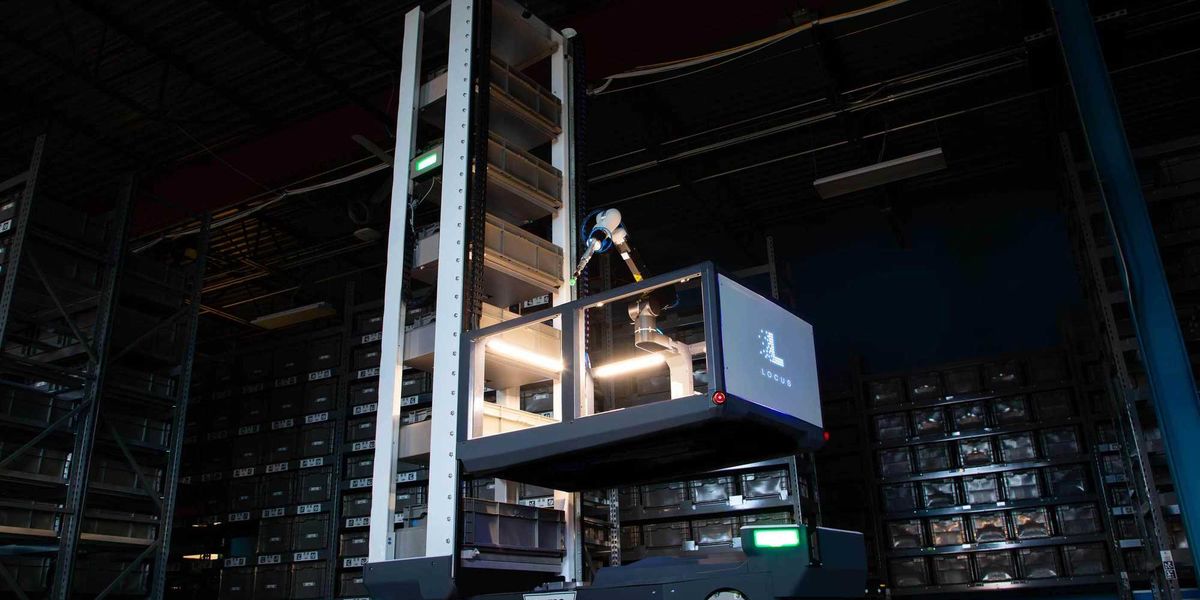
And Locus isn’t just bolting this tech onto their existing LocusBots. No, they’re integrating NeuraGrasp directly into their recently launched Locus Array system. Array, you’ll recall, is Locus’s play in the robots-to-goods picking space. It’s designed to bring the robot to the item, rather than the other way around, and now with NeuraGrasp, it can actually pick that item efficiently. This is where the real value gets unlocked – moving beyond simple transport to actual, high-volume order fulfillment.
This acquisition signals a clear intention: Locus isn’t just competing in the AMR space; they’re aiming to lead the charge into advanced robotic manipulation. They’re building an ecosystem where smart movement is combined with smart grasping, creating a genuinely autonomous fulfillment solution. It’s a bold play, especially considering the immense technical challenges of making such a system work reliably across millions of SKUs at enterprise scale.
Is this the endgame for manual picking? Probably not tomorrow. But it’s a significant step toward a future where robots aren’t just tools, but adaptable collaborators in the warehouse. The implications for labor, for throughput, and for the sheer complexity of what we can automate are enormous. It’s a sign that the industry is finally getting serious about the hard problems, not just the easy wins.
Locus is betting big that NeuraGrasp, developed over five years and refined through six generations, is the key. They’ve put millions of picks into testing it. Roy Belak, Nexera’s CEO, echoed this sentiment, stating their technology was built specifically to overcome the manipulation hurdles that have plagued robotic picking for years. Now, with Locus’s platform and customer base, they’ll get to prove it in the real trenches of high-velocity fulfillment.
The Era of Adaptive Gripping
What’s truly fascinating is the architectural pivot this represents. For years, AMRs have been the shiny objects, the mobile platforms getting all the attention. But the true intelligence, the brainpower that makes a warehouse hum, has been increasingly focused on the AI that orchestrates these fleets. Now, Locus is injecting that same AI-driven intelligence into the physical interaction layer with NeuraGrasp. It’s a top-to-bottom integration of advanced AI, from fleet management to the very act of picking an item off a shelf.
This isn’t just about faster picking; it’s about broader applicability. Imagine a robot that can pick a fragile glass bottle one minute and a soft, squishy bag of chips the next, all with the same end-effector. That’s the promise. It expands the very definition of what an autonomous mobile robot can do in a fulfillment center. And considering Locus launched its Array system just recently at MODEX 2026, this acquisition feels less like an opportunistic grab and more like a deeply strategic move to solidify their position.
The financial terms, as always, are undisclosed. But for Locus, the investment in Nexera’s intellectual property and talent appears to be a calculated bet on the future of manipulation – a bet that could redefine what we expect from warehouse automation. It’s a move that’s definitely worth watching, especially for anyone trying to keep pace with the relentless march of the robots.
Will This Acquisition Change How Warehouses Operate?
Absolutely. By integrating Nexera’s advanced grasping technology into its Locus Array system, Locus Robotics is moving beyond simple item transport. This allows robots to handle a much wider variety of SKUs with speed and precision, directly addressing the long-standing challenge of robotic manipulation in fulfillment. This could lead to higher automation rates for complex picking tasks and a reduction in manual labor for more varied inventory.
What is Nexera Robotics’ Key Technology?
Nexera Robotics is known for its proprietary NeuraGrasp end-effector technology. This system uses AI, computer vision, and a specialized soft membrane structure to allow a single robotic gripper to adapt dynamically to the physical characteristics of a wide range of items. It’s designed to create reliable grasps on items with varying shapes, textures, materials, and weights, which is a major hurdle for traditional robotic grippers.
How Does This Affect Locus Robotics’ Existing Array System?
Nexera’s NeuraGrasp technology will be integrated into Locus Robotics’ Locus Array system. This integration aims to enhance Array’s ability to perform piece-picking and other fulfillment workflows by expanding its autonomous mobile manipulation capabilities. Essentially, Array will be able to pick a much broader variety of items more reliably and efficiently, making it a more versatile fulfillment solution.
🧬 Related Insights
- Read more: Shipping’s Green Revolution: Biofuels and Hydrogen Defy Policy Headwinds
- Read more: Shipper Spend Soars in Q1 [US Bank Data]
Frequently Asked Questions
What does NeuraGrasp actually do? NeuraGrasp is an AI-driven robotic gripper that uses computer vision and a flexible structure to adapt to the shape and texture of diverse items, enabling reliable picking of a wide range of SKUs.
Will Locus Robotics replace human workers with these robots? While advanced automation like this can reduce the need for manual labor in certain tasks, the goal is often to augment human capabilities and allow workers to focus on more complex or nuanced jobs, rather than a complete replacement.
What is Locus Array? Locus Array is an autonomous warehouse fulfillment system that combines robots-to-goods technology with piece-picking capabilities, designed for in-aisle picking and other workflow optimization. The addition of NeuraGrasp significantly enhances its item handling capabilities.